
The Hidden Signs of Dyslexia That Schools Often Miss
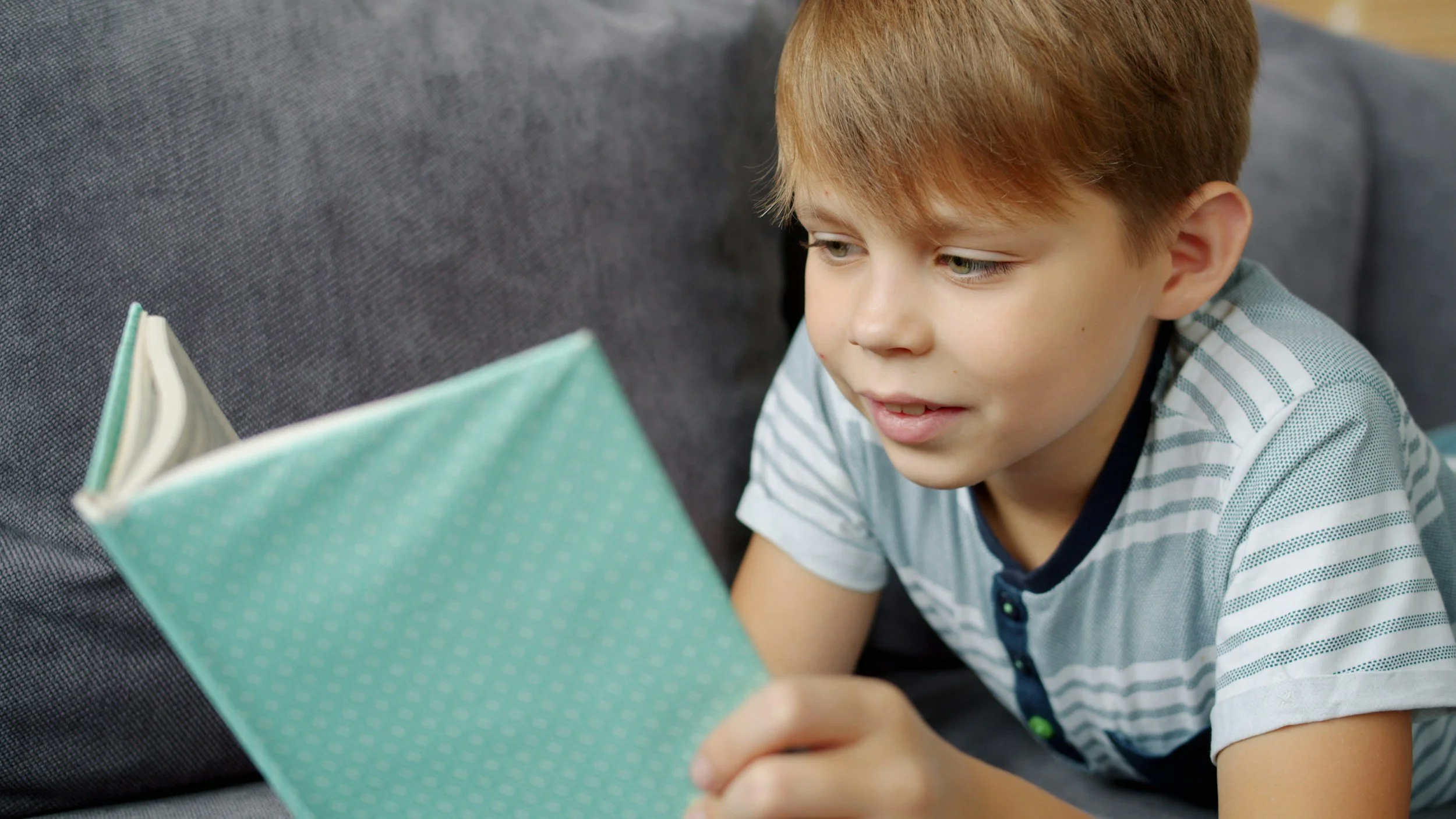
Your child is bright. They're curious. They work hard in class — maybe even harder than most of their peers. And yet, something isn't clicking. Reading feels like a battle. Homework takes twice as long as it should. Their teacher says they're "just not trying hard enough." But you know that isn't true.
What you might be looking at — and what their school might be missing entirely — is dyslexia. It is one of the most common learning disabilities in children, affecting an estimated one in five students. And yet, many children go years without a proper diagnosis. The reason? The signs of dyslexia don't always look the way we expect them to.
In this post, we're going to walk through the hidden signs of dyslexia that schools frequently overlook — and why recognizing them early can make all the difference for your child's future.
What Is Dyslexia?
Most people think of dyslexia as "seeing letters backwards." While letter reversals can be one symptom, they are far from the full picture. Dyslexia is actually a neurological difference in how the brain processes written language. It affects the ability to decode words, connect sounds to letters, and read with fluency — all foundational skills that show up long before a child ever opens a textbook.
Critically, dyslexia has nothing to do with intelligence. Many children with dyslexia are exceptionally bright — sometimes called "twice exceptional" — which is precisely why their struggles fly under the radar.
Why Schools Miss It So Often
Schools are often working with limited time, large class sizes, and teachers who may not have received focused training on dyslexia identification. When a child is smart and well-behaved, their struggles are often chalked up to laziness, lack of motivation, or simply "not trying." Teachers may also assume that if a child is doing well in other subjects, reading difficulties are just a phase.
The truth is that dyslexia is often referred to as a "hidden disability" for good reason. Children with strong cognitive abilities can mask their reading difficulties, at least on the surface. By the time the gaps become obvious, years of frustration and eroding self-confidence have already taken their toll.

The Hidden Signs of Dyslexia Every Parent Should Know
Here are the signs that often slip past even attentive teachers — and why they matter.
1. They Guess at Words Instead of Sounding Them Out
When a child with undiagnosed dyslexia encounters an unfamiliar word, they often guess based on context clues or the shape of the word rather than decoding it sound by sound. They might look at a picture of a dog next to the word "puppy" and read "dog" without ever actually reading the word on the page. This strategy works — for a while. But as reading demands increase, it becomes a significant barrier.
2. They Have a "Spiky" Skill Profile
One of the most telling indicators of dyslexia is a child who excels in some areas but struggles significantly in others. They might be creative, verbally articulate, and socially skilled — yet fall behind in reading and writing. This uneven profile is a classic hallmark, but because schools tend to look at overall performance, these children are often seen as "average" students.
3. Spelling Is Inconsistent — Even With the Same Word
A child with dyslexia may spell a word correctly at the top of an assignment and then misspell it three lines later. They often spell phonetically, writing words the way they sound rather than the way they look. You might see "sed" instead of "said," or "becuz" instead of "because." This isn't carelessness — it reflects a genuine difficulty in connecting written letters to the sounds they represent.
4. Reading Is Slow and Exhausting
Children with dyslexia often read at a slower pace than their classmates, not because they lack interest, but because each word requires significantly more mental effort to process. By the end of a reading assignment, they may be mentally drained. If your child seems fatigued after school — or avoids reading altogether — this could be a sign that reading is costing them far more energy than it should.
5. They Struggle With Rhyming and Sound Patterns
Difficulty with phonological awareness — the ability to hear and manipulate sounds within words — is one of the earliest and most reliable indicators of dyslexia. A child who has trouble rhyming words, identifying the beginning or ending sounds, or breaking words into syllables may be showing signs that their brain is processing language differently. This sign is often present well before a child begins formal reading instruction.
6. They Avoid Reading Out Loud
A child who dreads being called on in class, who finds excuses to avoid reading aloud, or who becomes anxious when asked to read in front of others may not be shy — they may be terrified of making a mistake in front of their peers. This kind of avoidance behavior is an emotional response to repeated frustration, and it often goes unnoticed until it has already damaged a child's confidence and willingness to participate.
7. Handwriting Is Messy or Slow
While messy handwriting alone does not indicate dyslexia, it can be part of the picture. Children with dyslexia often struggle with the physical act of writing because they are simultaneously trying to think about what to say, how to spell it, and how to form the letters on the page. The result is writing that is slow, inconsistent, and often hard to read — even when the child's ideas are strong.
8. A Family History of Reading or Spelling Difficulties
Dyslexia is strongly genetic. It often runs in families, sometimes skipping a generation or going undiagnosed in earlier ones — especially in adults who grew up before dyslexia was widely understood. If a parent, grandparent, aunt, or uncle struggled with reading or spelling in school, that family history is worth considering when evaluating your child's challenges.
Why Early Identification Matters So Much
Research consistently shows that children who receive early intervention for dyslexia have significantly better outcomes than those identified later. Children who get effective reading support in kindergarten and first grade are far more likely to read at grade level than children who aren't identified until third grade or beyond. By that point, the reading gap has widened, and the emotional toll — including lower self-esteem, anxiety, and frustration — has often already set in.
Early identification also opens the door to formal accommodations through an IEP or 504 plan, giving your child access to the support structures they need to succeed in school.
What Can You Do If You Suspect Dyslexia?
If any of the signs above sound familiar, the most important step is to seek a comprehensive evaluation. A neuropsychological or educational evaluation can assess your child's cognitive abilities, reading skills, language processing, and academic performance as a whole — giving you a clear picture of what is going on and, more importantly, what can be done about it.
You do not need to wait for your child's school to raise a flag. As a parent, you have the right to request an evaluation at any time. And if you want an independent, thorough assessment outside of the school system, a private neuropsychological evaluation is often the most comprehensive option available.
The Bottom Line
Dyslexia does not mean your child is not smart. It does not mean they are lazy or unmotivated. It means their brain is wired differently — and with the right support, they can absolutely thrive. The key is catching it early and getting the answers you need.
If you have been watching your child struggle and wondering whether something more is going on beneath the surface, trust that instinct. A proper evaluation can give you clarity, a roadmap, and — most importantly — peace of mind.
Ready to get answers? Contact Dr. Koffman today to schedule a neuropsychological evaluation and take the first step toward understanding your child's unique needs.