

Blog

Working Memory: The Hidden Skill Behind Following Directions
Working memory is the mental workspace that holds information just long enough to use it — the reason your child can hear “put your shoes on, and meet me at the car” and still be standing in the hallway holding one shoe. When a child chronically “doesn't listen,” the real issue is often not attention, or attitude. It is a working memory system that fills up faster than the world delivers instructions.

The First Month of School: Warning Signs Teachers Notice That Parents Miss
By the end of September, most teachers have already spotted the students who are struggling. The first month of school is when quiet struggles become visible — if you know what to look for.
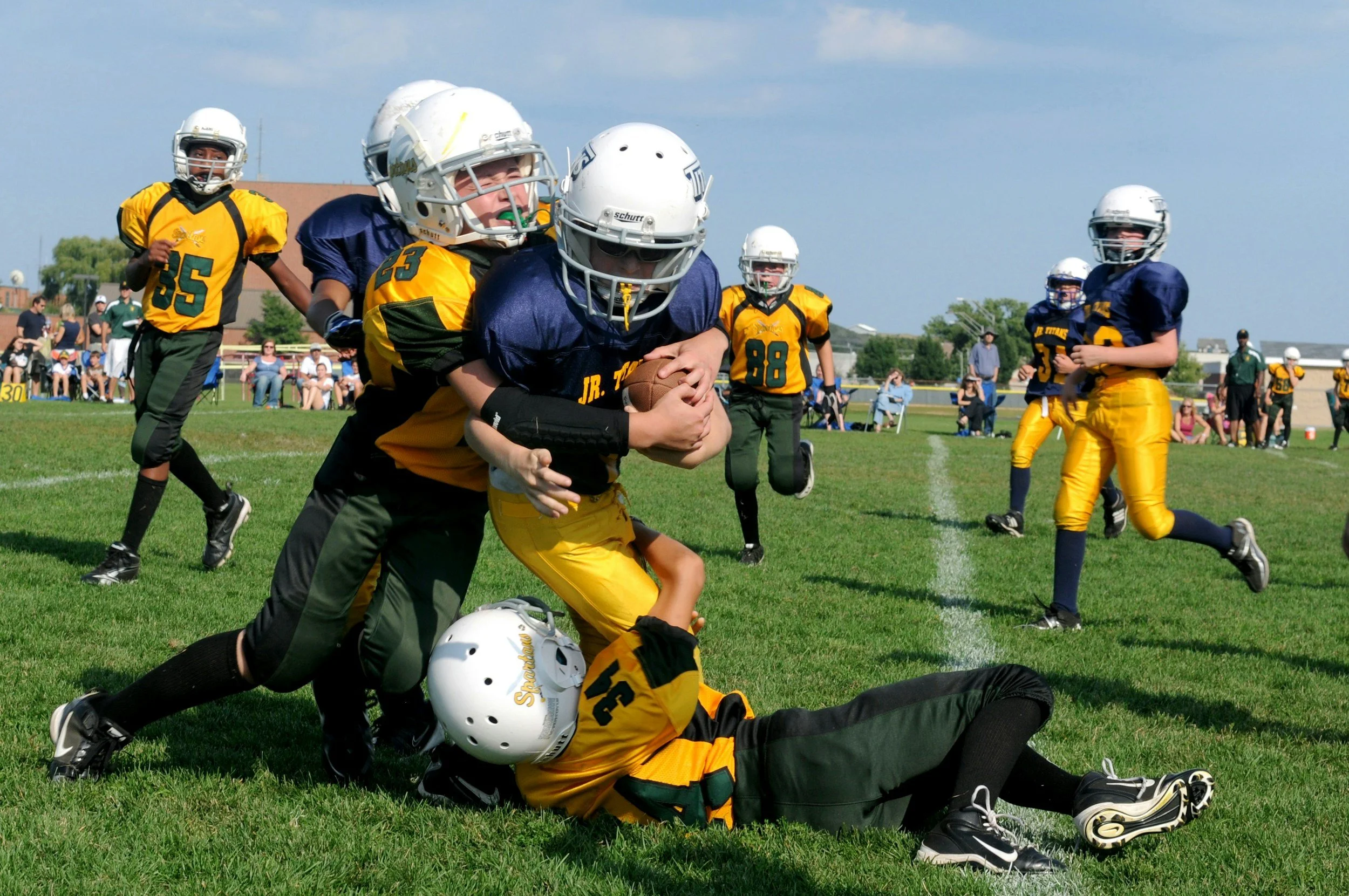
Neuropsychological Testing After a Concussion: What Parents of Student Athletes Should Know
Unlike imaging studies such as CT scans or MRIs, which look at the brain's structure, neuropsychological testing evaluates how the brain is actually working. Most concussions do not show up on imaging at all. That is exactly why cognitive testing matters: it can detect real, functional effects of the injury that a scan cannot see.
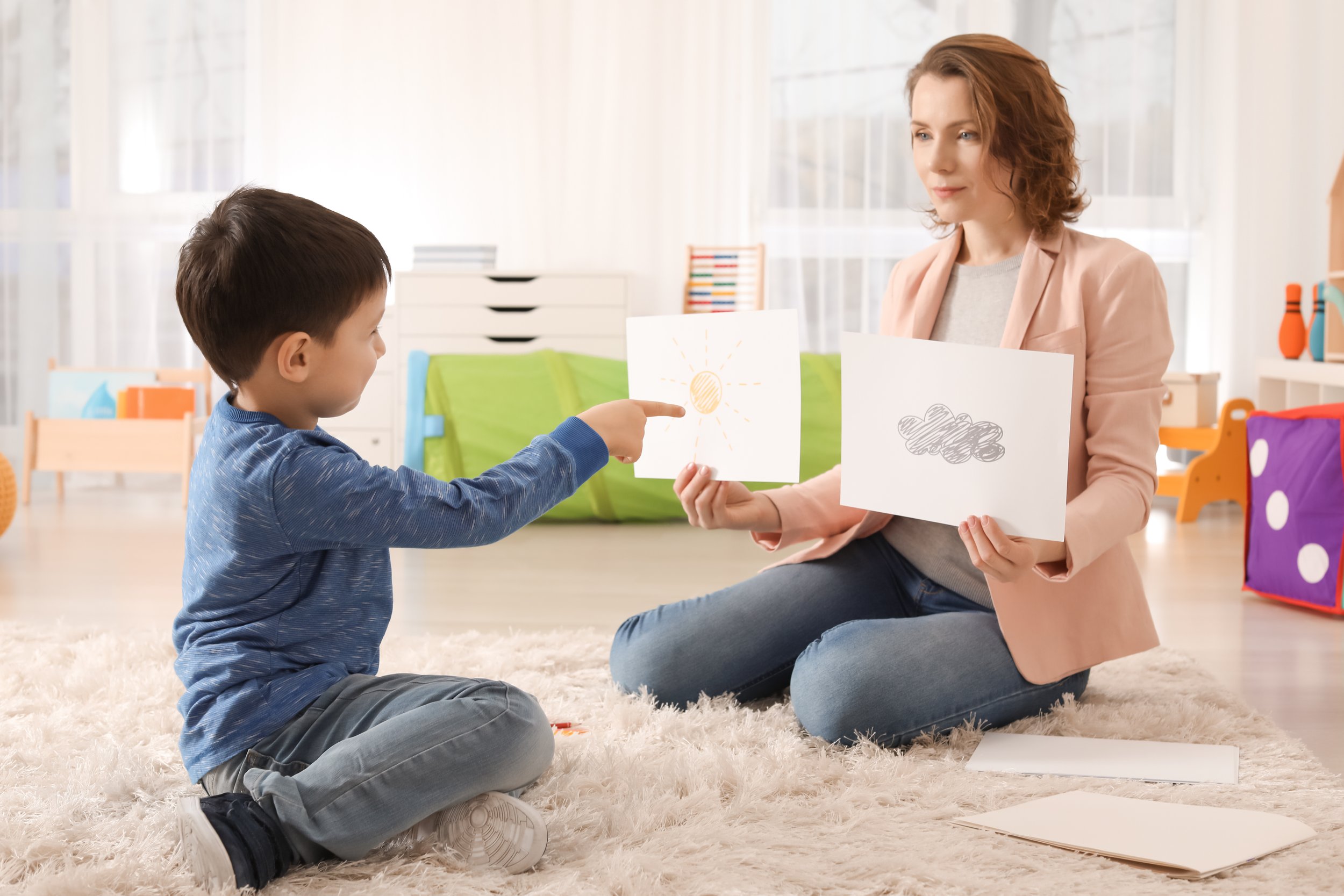
Why Is a Full Neuropsychological Evaluation So Expensive — And Why Is It Worth It?
If you’ve started researching a comprehensive evaluation for yourself or your child, the price tag was probably the first thing that made you pause. It’s a fair reaction. A full evaluation is a significant investment, and it’s natural to wonder what, exactly, you’re paying for — and whether it’s really necessary.

How Neuropsychological Testing Can Help You in the Workplace
If you've spent years feeling like you're working harder than your colleagues just to keep pace, missing deadlines despite genuinely trying, or hitting a ceiling you can't explain, the issue may not be effort, attitude, or fit. It may be a cognitive or attentional pattern that has never been identified — and one that a neuropsychological evaluation is specifically designed to uncover.

When Tutoring Isn't Working: What to Do Next
For some families, tutoring becomes a holding pattern rather than a solution. Month after month, session after session, the same gaps persist. The tutor is skilled. The child is putting in effort. The bills are adding up. And yet progress stays frustratingly out of reach.
If this sounds familiar, the issue may not be the tutor, the curriculum, or your child's effort. It may be that tutoring is the wrong tool for the actual problem.

When Sensory Sensitivities Affect Learning
Sensory sensitivities in children are more common than many parents and educators realize, and they are among the most frequently overlooked contributors to school-based struggles. When a child's sensory system is dysregulated, the cognitive bandwidth required for learning — attention, memory, processing, problem-solving — is simply not available in the way it needs to be.
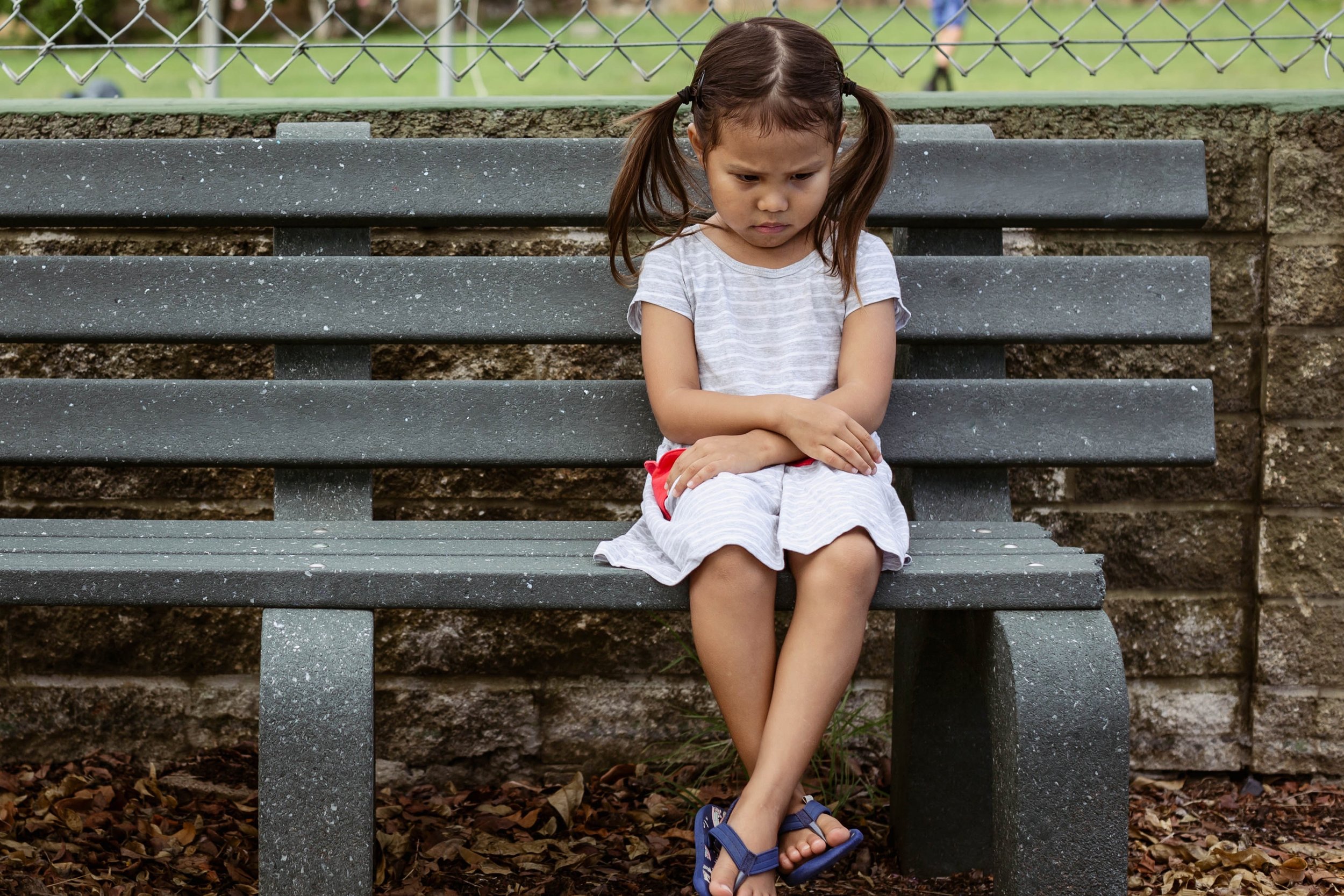
Social Struggles vs. Social Anxiety: How to Tell the Difference in Kids
For some children, what looks like shyness or awkwardness runs much deeper. It gets in the way of friendships, schooling, and daily life in ways that don't simply resolve with time or encouragement.
So how do you know when your child's social struggles are typical development — and when they might signal social anxiety or another underlying challenge that deserves closer attention?

The Anxious Overachiever: When Doing Well Isn't Enough
Every parent's dream is a child who works hard, earns good grades, and takes their responsibilities seriously. So what happens when that same child can't sleep the night before a test? When they burst into tears over a B+? When they refuse to raise their hand in class unless they are absolutely certain they have the right answer?
Meet the anxious overachiever — a child who looks successful on paper but is quietly struggling underneath.

School Refusal: When “I Don’t Want to Go” Is More Than a Bad Morning
There is another kind of “I don’t want to go” — one that is louder, more persistent, and harder to explain. A child who cries every morning for weeks. Who complains of stomachaches that vanish by noon. Who begs, bargains, and falls apart at the threshold. Who, some days, simply cannot make it inside.
This is school refusal. And it is not a phase, a power struggle, or a parenting problem. It is a sign that something is genuinely wrong — and it deserves to be taken seriously.

When Anxiety Looks Like Defiance: Recognizing the Hidden Signs
For a significant number of children, what looks like defiance on the surface is anxiety underneath. And because anxiety in children rarely looks the way adults expect it to — quiet, tearful, visibly worried — it gets missed. Sometimes for years.

The Perfectionist Child: When High Standards Become a Barrier to Learning
From the outside, a child may look motivated, conscientious, and driven. Parents and teachers often admire the effort. But underneath that striving is something worth paying close attention to — because in many children, perfectionism is not a strength to be celebrated. It is a barrier quietly getting in the way of learning, growth, and wellbeing.
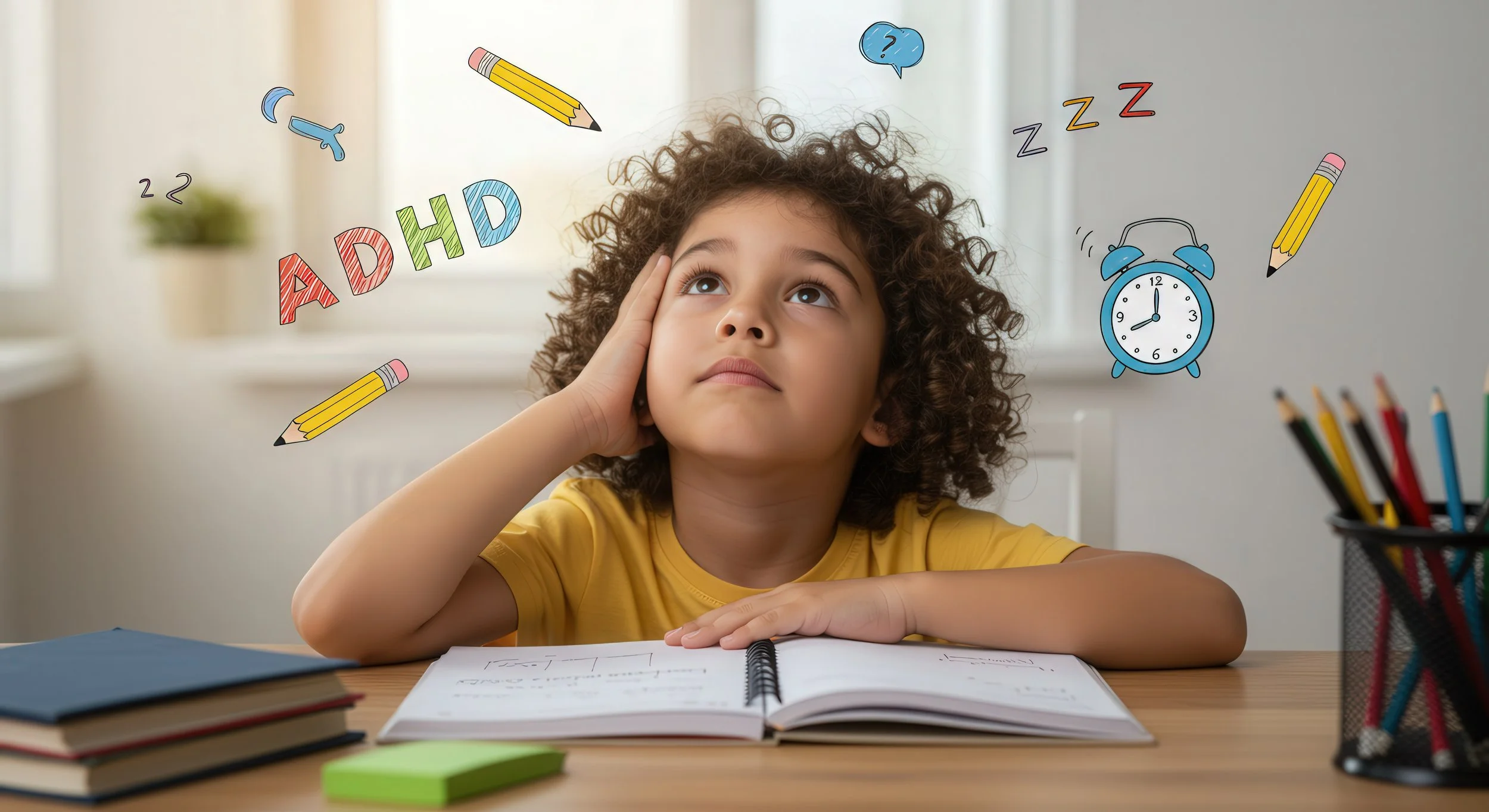
ADHD and Time Blindness: Why Your Child Is Always Late
Understanding time blindness — what it is, why it happens, and what you can do about it — can genuinely transform the morning routine, the homework hour, and the relationship between you and your child.

Burnout or ADHD? How Adults Can Tell the Difference
Burnout and ADHD share a striking number of surface symptoms, which makes distinguishing between them genuinely difficult — even for clinicians. But the distinction matters enormously, because the path forward looks very different depending on which one — or which combination — is actually driving your experience.
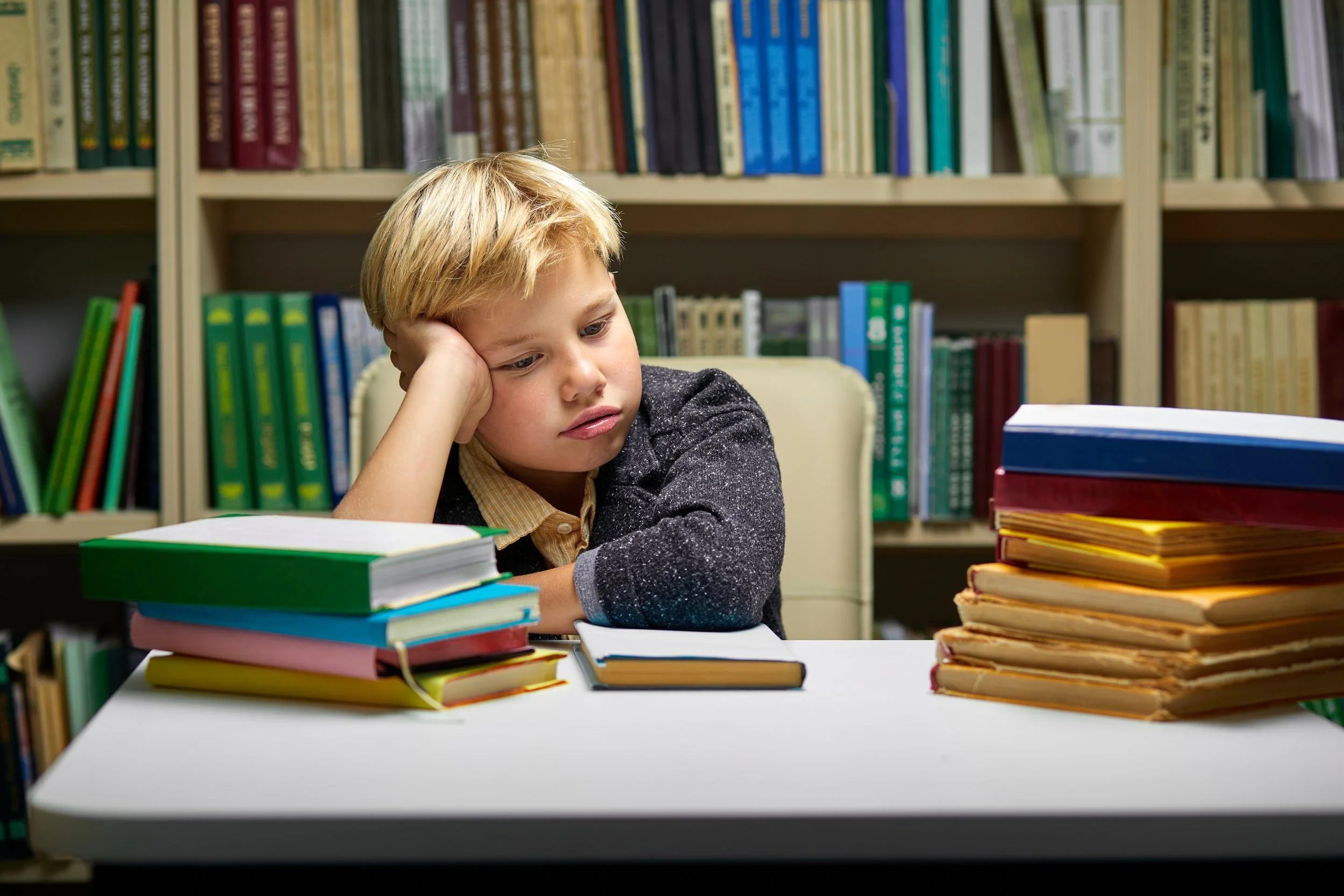
Why Some Kids Shut Down Under Pressure — and What It Means
Shutting down under pressure is not one single behavior. It can look very different from child to child, which is part of why it is so often misread

Why My Child Can Focus on Video Games But Not Homework
Your child is not choosing to focus on video games and refusing to focus on homework. Their brain is responding very differently to two fundamentally different types of tasks — and for many children, especially those with ADHD or other attention-related challenges, that difference is profound.

Anxiety or Avoidance? Understanding Why Kids Refuse School
School refusal in children is one of the most misunderstood challenges families face — and one of the most important to address early. Whether the root cause is anxiety, avoidance, or something neurological that has gone unidentified, understanding why your child is refusing school is the critical first step.

Why High-Functioning Adults Still Struggle — and What Testing Can Reveal
Many intelligent, high-functioning adults quietly struggle with challenges rooted in how their brains are wired, not in how hard they work or how much they care. Adult neuropsychological evaluation is one of the most powerful tools available for finally getting to the bottom of why — and for building a clearer path forward.

Beyond Slow Reading: Understanding The Different Types of Reading Disorders in Kids
Reading disorders in children are not one-size-fits-all. They are complex, neurologically based conditions that look different in every child — and they require more than a teacher’s observation or a school screening to fully understand. A comprehensive neuropsychological evaluation is often the most powerful tool a family can use to finally get answers.
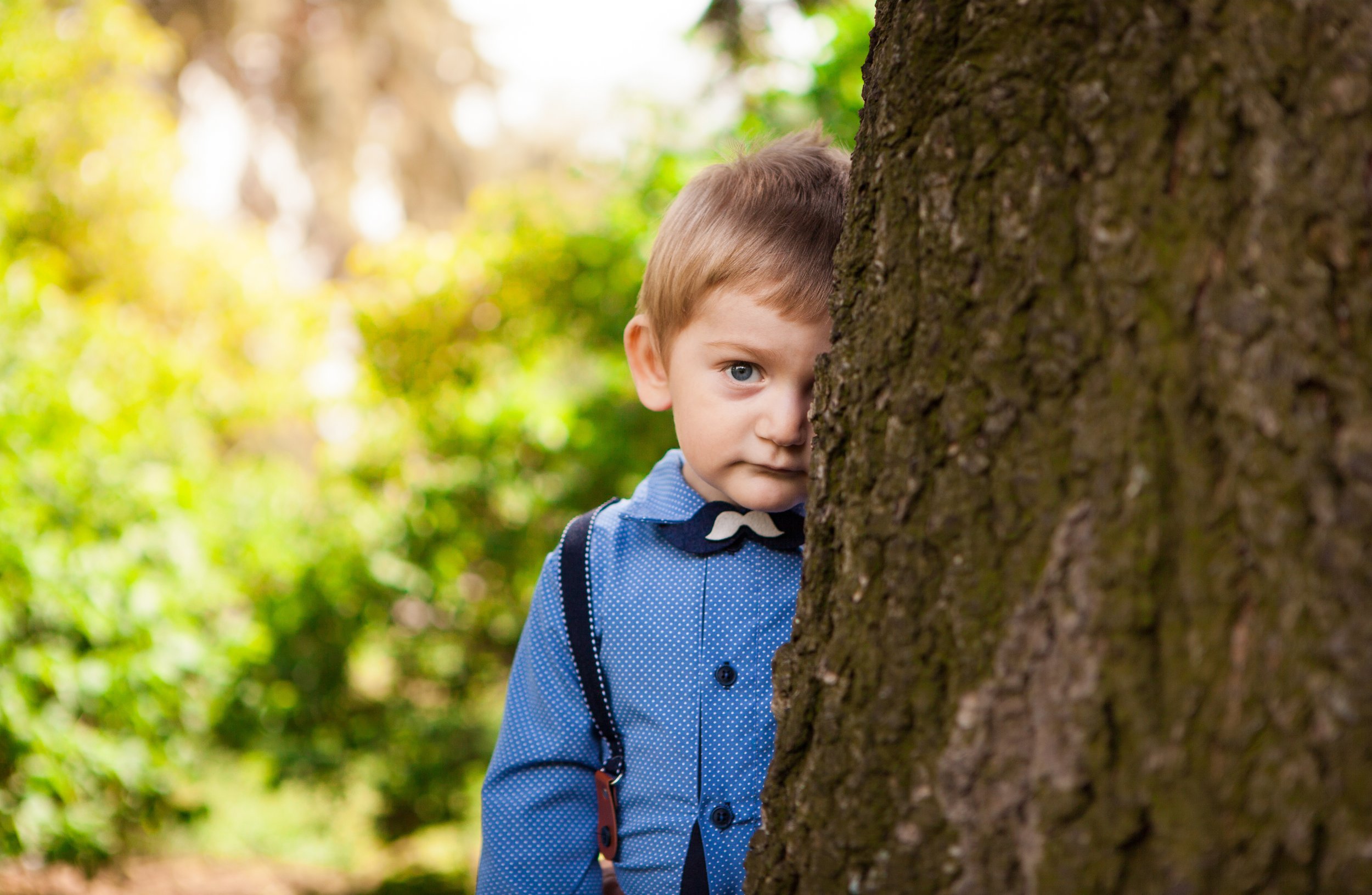
When Words Won't Come: How Neuropsychological Testing Unlocks Answers for Children with Selective Mutism
If your child speaks freely at home but goes completely silent at school, at birthday parties, or in the presence of unfamiliar adults, you may have already heard the word "shy" more times than you can count. But for some children, the inability to speak in certain situations goes far beyond shyness. It has a name: selective mutism — and it is a complex anxiety disorder that deserves thoughtful, specialized evaluation.