
Why Does My Child Have Friends but Still Struggle Socially?
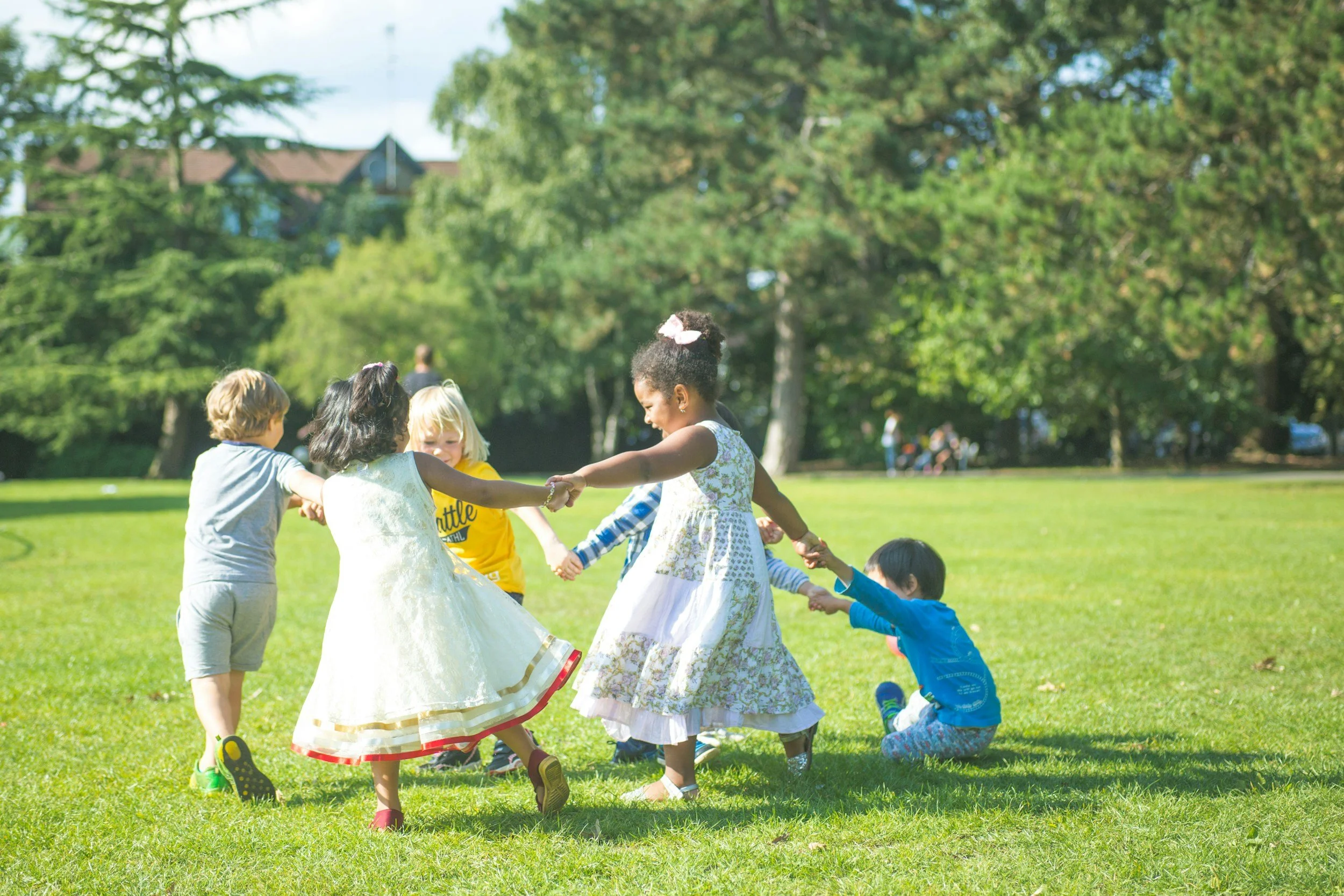
Having friends and being socially comfortable are two different things. Friendship is a count of relationships. Social competence is the ability to read tone, time a comment, recover from a misstep, stay flexible in a group, and manage settings where the rules are never stated out loud. A child can have two close friends and still come apart in a lunchroom or a group project. The friendships are real, and so is the difficulty — which is why this pattern confuses so many parents and gets missed by so many adults.
What does struggling socially look like in a child who has friends?
The pattern tends to show up in specific situations rather than across the board.
Conversation runs one direction. Your child talks at length about an interest and misses the listener’s signals to wrap up.
Tone and implication get missed. Sarcasm, teasing, and indirect requests land literally, or land as insults.
Joining is hard. A game already in motion is far more difficult to enter than one being set up from scratch.
One-on-one is fine; groups are not. Two is manageable, four is chaos, and the difference is how fast the signals arrive.
Rules and fairness feel non-negotiable, which reads to peers as bossy even when the intent is to keep things right.
Conflicts repeat. The same rupture happens with the same friend, and repair is slow or does not come at all.
School is followed by collapse. Holding it together socially all day is expensive, and the bill arrives at home.
Why are recess and lunch harder than class?
Classrooms are structured. Someone defines the task, assigns the turns, and intervenes when things go sideways. Unstructured time removes all of that at once. Recess, lunch, hallways, the bus, and group projects require a child to generate the plan, read the room in real time, and adjust while several conversations run at once.
This is why a teacher can honestly report that your child is doing fine while your child describes the day as miserable. Both accounts are accurate. They are describing different parts of the day, and the teacher is usually not present for the hard part.
What is actually underneath this?
Several different mechanisms produce a similar surface picture, and more than one is often involved.
Pragmatic language weakness — difficulty with the social rules of language use rather than vocabulary or grammar. These children often have excellent formal language skills, which is why it is overlooked.
Perspective taking — trouble modeling what someone else knows, wants, or feels in the moment, even when the child cares a great deal about getting it right.
Attention differences — missing the lead-up to a social moment, interrupting, or not registering a cue that everyone else caught.
Slow processing speed — the conversation has moved on by the time the right response arrives. Many of these children are witty hours later.
Anxiety — the child knows exactly what to do and cannot execute it while being watched.
Emotion regulation — reactions out of proportion to the trigger, which peers remember far longer than adults expect.
Autism spectrum differences — including in children who are verbal, academically strong, and have friends.
Doesn’t having friends rule out autism?
No, and this is one of the most persistent misunderstandings in this area. Autistic children can be sociable, can want friendship very much, and can have genuine friendships. The relevant question is not whether relationships exist but what maintaining them costs and how flexible they are across settings.
A child who sustains one deep friendship built around a shared interest, struggles badly in groups, and needs an hour alone after school is showing a recognizable profile. Whether it meets diagnostic criteria is a question for a thorough assessment — but the presence of friends is not what answers it.
What can I do at home right now?
A few adjustments tend to help while you work out what is driving the pattern:
Ask narrower questions. How was lunch produces nothing; who did you sit with and what did you talk about gives you something to work with.
Rehearse entries and exits specifically. Joining a group and leaving gracefully are the two moments that go wrong most often, and both can be practiced.
Favor structured one-on-one time. An activity with a built-in task carries the social load that open-ended hanging out leaves to your child.
Protect decompression after school. A child who has been working hard socially all day needs recovery before homework, not a debrief.
Ask the teacher about unstructured periods specifically, since that is where the information is.
Skip the coaching in the moment. Feedback delivered during a hard interaction rarely lands; afterward, calmly, it sometimes does.
When should we consider an evaluation?
If the same difficulties keep surfacing no matter how much support you put in place, an evaluation can tell you which skill is actually missing — and which kind of help will work. Dr. Koffman provides comprehensive neuropsychological evaluations for children and adolescents in Montclair, NJ. Learn more here.
Frequently Asked Questions
Can a child be socially anxious and still have close friends?
Yes. Anxiety is usually most intense in unfamiliar or evaluative situations, so established friendships can feel comfortable while new groups, parties, or classroom presentations remain genuinely difficult.
Is this just shyness?
Shyness is reluctance to engage, and it eases as a child becomes familiar with a setting. When difficulty persists after the setting is familiar, or appears with people the child knows well, something else is usually involved.
Why does my child do fine with adults but struggle with peers?
Adults accommodate. They slow down, follow a child’s interests, and repair conversational breakdowns without being asked. Peers do none of that, which is why adult-facing social skill can look much stronger than it is.
Do social skills groups help?
They can, particularly when the target matches the underlying difficulty and skills are practiced in real settings. They disappoint when the actual driver is anxiety, attention, or language and the group teaches rules the child already knows.
Should I talk to the school about this?
Yes, and ask specifically about unstructured times rather than classroom behavior. Lunch aides and recess staff often have the most relevant observations and are rarely included in these conversations.