
Neuropsychological Testing After a Concussion: What Parents of Student Athletes Should Know
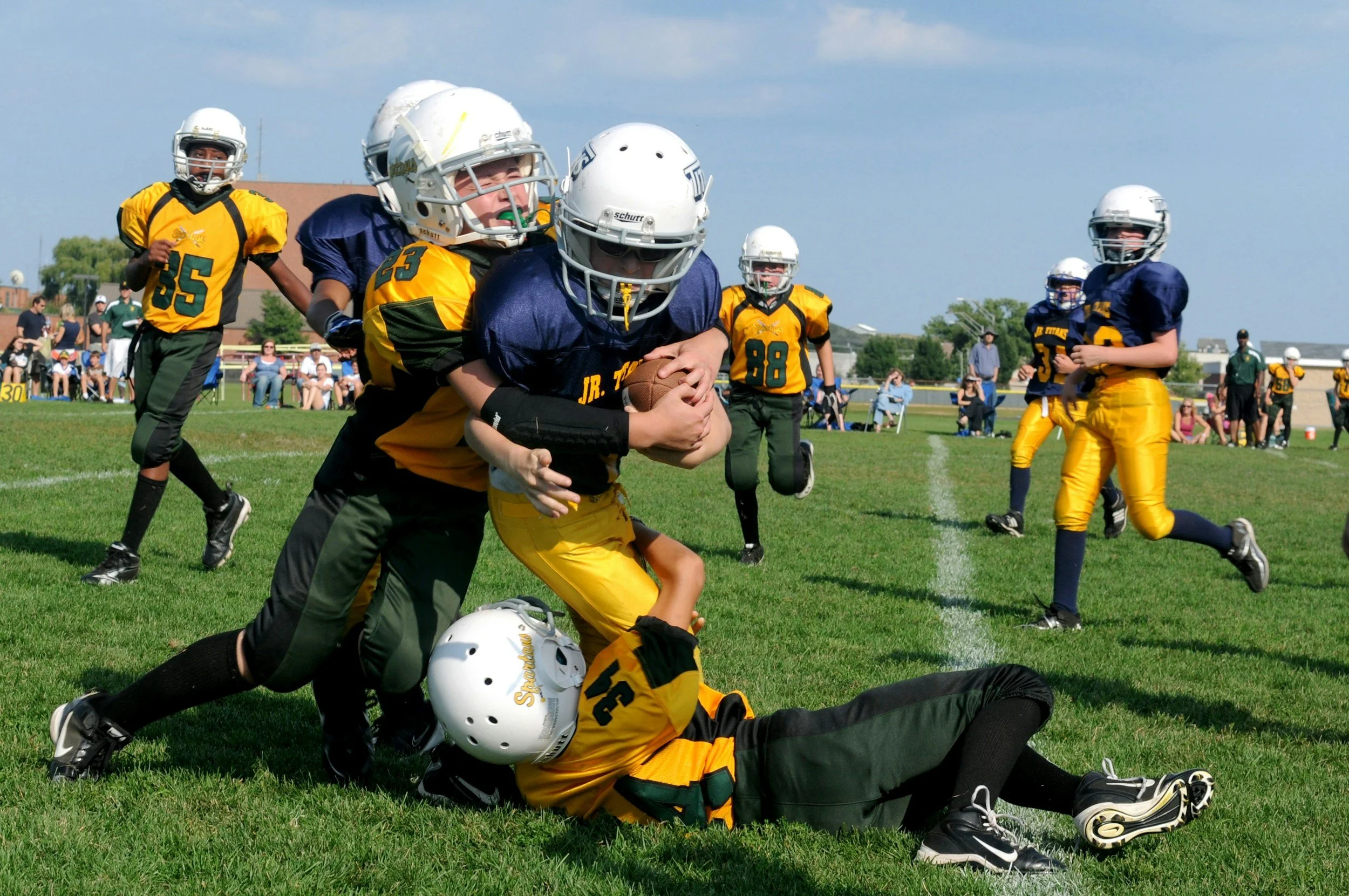
If your child has suffered a concussion playing sports, neuropsychological testing can objectively measure how the injury has affected their thinking, memory, attention, and processing speed — and provide the data schools, doctors, and athletic programs need to guide a safe return to the classroom and the field. While most young athletes recover within a few weeks, a meaningful number experience lingering symptoms that affect schoolwork long after they "look fine." A comprehensive neuropsychological evaluation is often the missing piece that explains why.
What Is Neuropsychological Testing After a Concussion?
Neuropsychological testing after a concussion is a comprehensive, in-person assessment of brain function conducted by a clinical neuropsychologist. It measures the cognitive skills most vulnerable to concussion — attention, working memory, processing speed, reaction time, verbal memory, and executive function — along with mood and emotional functioning, which are frequently affected after a head injury.
Unlike imaging studies such as CT scans or MRIs, which look at the brain's structure, neuropsychological testing evaluates how the brain is actually working. Most concussions do not show up on imaging at all. That is exactly why cognitive testing matters: it can detect real, functional effects of the injury that a scan cannot see.
How Is This Different From the Baseline Test My Child Took at School?
Many school athletic programs use brief computerized screening tools, such as ImPACT, administered before the season begins. These baseline tests serve a valuable purpose — they provide a quick pre-injury snapshot for comparison after a suspected concussion.
But a 20- to 30-minute computerized screener is not the same as a comprehensive neuropsychological evaluation. Key differences include:
Depth. A full evaluation examines a much wider range of cognitive and emotional functioning over several hours, using validated, individually administered measures.
Interpretation. A neuropsychologist interprets results in the context of your child's full history — prior academic performance, learning differences, ADHD, anxiety, sleep, and previous head injuries — rather than a single automated score.
Actionable recommendations. A comprehensive report translates findings into specific academic accommodations, treatment referrals, and return-to-activity guidance.
Computerized screeners answer a narrow question: "Does this athlete's score differ from baseline?" A neuropsychological evaluation answers the questions parents actually have: Why is my child still struggling, how significant is it, and what do we do now?
When Should Parents Consider a Full Neuropsychological Evaluation?
Most concussion symptoms resolve within two to four weeks. A comprehensive evaluation is generally worth considering when:
Symptoms persist beyond four weeks. Ongoing headaches, fogginess, fatigue, irritability, or trouble concentrating past the typical recovery window may indicate persistent post-concussive symptoms that deserve a closer look.
Schoolwork has declined. Falling grades, unfinished assignments, or a child who suddenly needs far more time and effort to do the same work are common signs the injury is affecting cognition.
Your child has had more than one concussion. Repeat injuries can have cumulative effects, and objective testing helps track them.
There is a pre-existing condition. Children with ADHD, learning disabilities, anxiety, or migraine histories often experience longer or more complicated recoveries — and it can be hard to tell what is the concussion and what is the underlying condition. Testing helps separate the two.
Return-to-play decisions feel uncertain. When a physician, trainer, or parent is unsure whether an athlete is truly ready, objective cognitive data adds clarity that symptom checklists alone cannot.
What Does the Evaluation Actually Measure?
A post-concussion neuropsychological evaluation typically assesses:
Attention and concentration — the ability to focus and resist distraction, often the first skill affected
Processing speed and reaction time — how quickly the brain takes in and responds to information
Learning and memory — encoding, retaining, and retrieving new information, both verbal and visual
Executive functioning — planning, organization, mental flexibility, and self-monitoring
Emotional functioning — post-concussion anxiety, mood changes, and irritability, which are common and treatable but frequently overlooked
The evaluation also gathers a detailed history and, when available, compares results to pre-injury records such as report cards, standardized test scores, or baseline testing.
How Do the Results Help With Return-to-Learn and Return-to-Play?
Concussion recovery involves two parallel tracks: returning to the classroom and returning to sport. Neuropsychological testing informs both.
Return-to-learn: The report gives schools concrete, evidence-based recommendations — extended time, reduced workload, rest breaks, delayed testing, or formal accommodations through a 504 plan when symptoms persist. Instead of a parent asking a school to "go easy" on their child, the school receives documented findings from a specialist.
Return-to-play: No parent wants to send an athlete back before their brain has recovered. Because a second concussion sustained before the first has healed carries greater risk, objective cognitive data provides an added layer of protection beyond how the athlete says they feel — especially important with teen athletes, who are known to underreport symptoms to get back in the game.
Frequently Asked Questions
Does my child need a referral for neuropsychological testing after a concussion?
Not necessarily. Many families self-refer, though pediatricians, neurologists, and athletic trainers frequently refer patients directly. If you plan to use insurance, check whether your plan requires a physician referral.
How soon after the concussion should testing happen?
For persistent symptoms, testing is usually most informative once the acute phase has passed — often four to six weeks post-injury or later. Testing too early can capture temporary effects that would have resolved on their own. A neuropsychologist can advise on timing for your child's situation.
Will the results affect my child's ability to play sports again?
Testing does not decide whether your child plays — physicians and athletic programs make that call. What testing provides is objective information so that decision is made safely and confidently, rather than based on guesswork.
My child says they feel fine. Is testing still worth it?
If symptoms have fully resolved and school performance has returned to normal, testing may not be needed. But "I feel fine" from a teen eager to rejoin their team is not always reliable. When there is any doubt — especially after multiple concussions — objective data is worth having.
Dr. Michael Koffman is a Clinical Neuropsychologist in Montclair, NJ, providing comprehensive neuropsychological evaluations for children, adolescents, and adults. If your student athlete is struggling after a concussion, contact Dr. Koffman at drkoffman.com/contact to discuss whether an evaluation could help.