
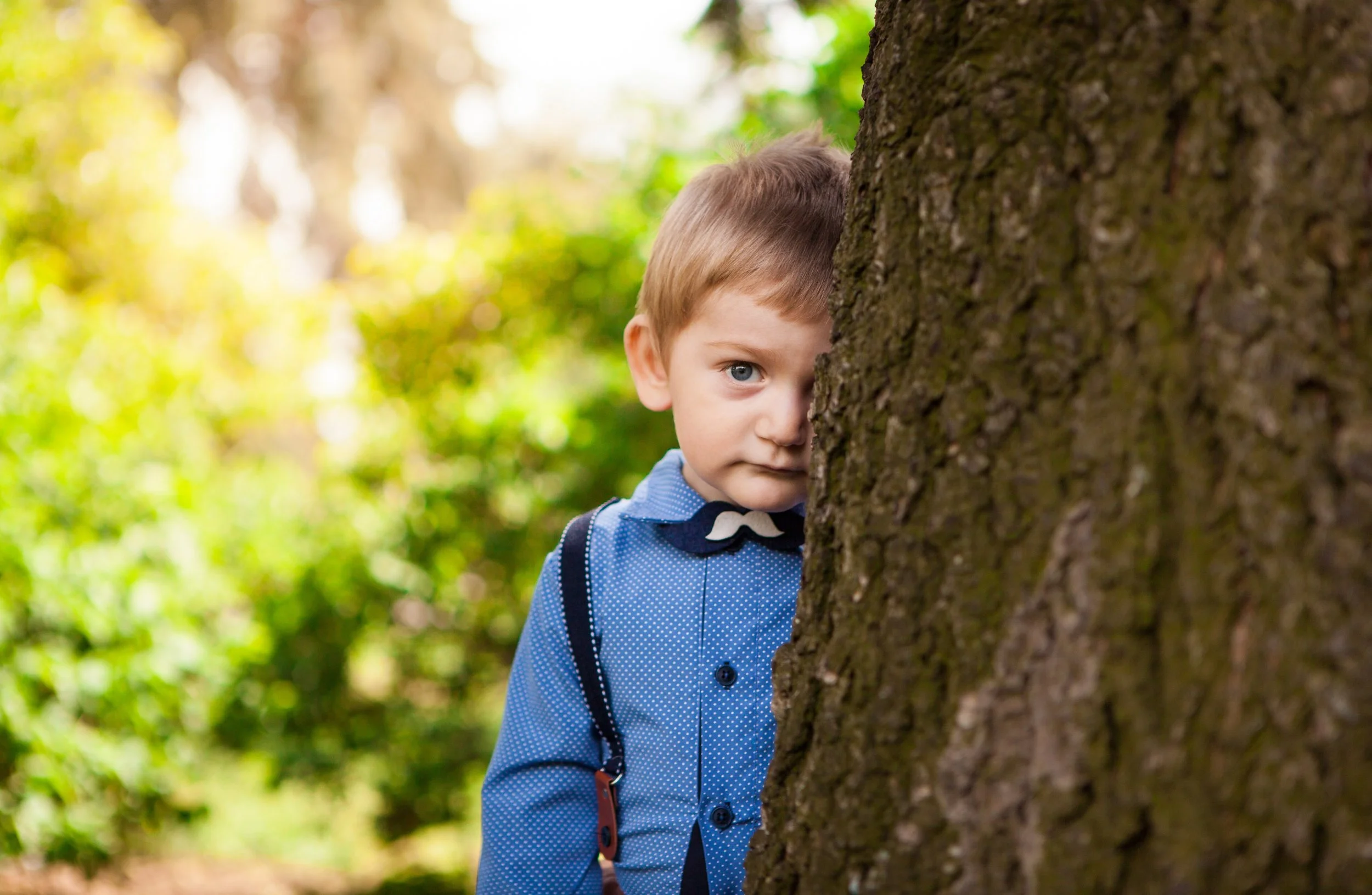
If your child speaks freely at home but goes completely silent at school, at birthday parties, or in the presence of unfamiliar adults, you may have already heard the word "shy" more times than you can count. But for some children, the inability to speak in certain situations goes far beyond shyness. It has a name: selective mutism — and it is a complex anxiety disorder that deserves thoughtful, specialized evaluation.
We work with families navigating exactly this kind of challenge. One of the most powerful tools available for understanding selective mutism in children is neuropsychological testing — a comprehensive evaluation that goes beneath the surface to reveal what is truly driving a child's silence.
What Is Selective Mutism?
Selective mutism is an anxiety-based disorder in which a child who is capable of speech consistently fails to speak in specific social situations — most commonly at school or in public — despite speaking normally in other settings, such as at home.
According to the American Psychiatric Association, selective mutism affects approximately 0.5–1% of children, with onset typically between ages 2.5 and 5. It is often first noticed when a child enters preschool or kindergarten. While it may look like defiance or extreme shyness from the outside, selective mutism is rooted in significant anxiety — and in many cases, there are additional neurological and developmental factors at play.
Common signs of selective mutism in children include:
Consistent inability to speak in specific settings (especially school)
Speaking freely and comfortably at home or with close family
Appearing "frozen," stiff, or expressionless in triggering situations
Using gestures, nods, or whispers as substitutes for speech
Excessive worry about social situations or being evaluated by others
Left unaddressed, selective mutism can significantly impact a child's academic performance, social development, and long-term mental health.
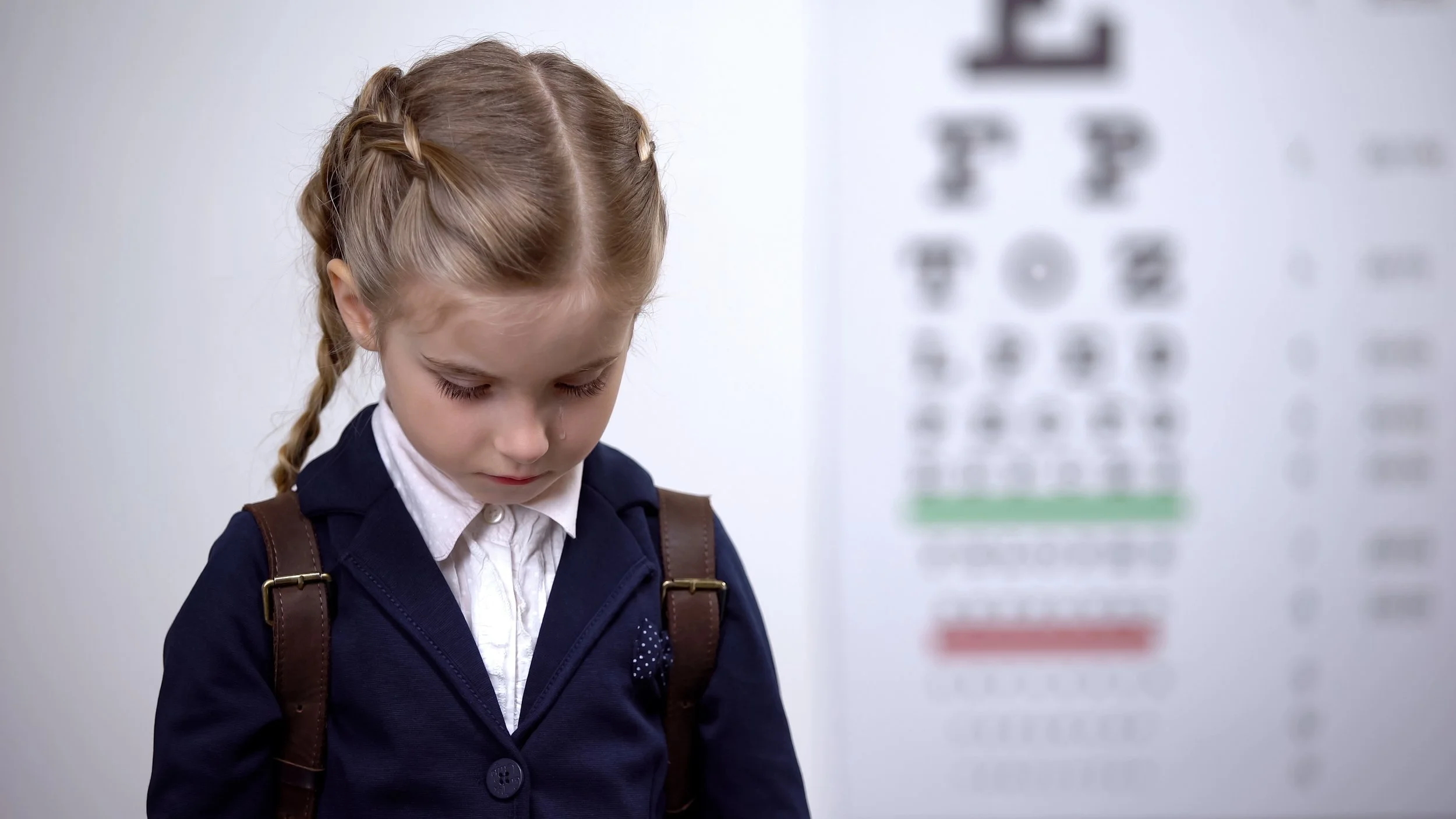
Why Selective Mutism Is Often Misunderstood
One of the biggest challenges families face is that selective mutism is frequently misidentified — or simply overlooked. Teachers may assume a child is stubborn, slow to warm up, or just introverted. Pediatricians may advise parents to "wait and see." Meanwhile, the child continues to struggle, and the window for early intervention narrows.
What makes selective mutism particularly complex is that it rarely exists in isolation. Research consistently shows that many children with selective mutism also have co-occurring conditions such as:
Social anxiety disorder
Autism spectrum disorder (ASD)
Language processing difficulties
Sensory processing differences
ADHD or executive functioning challenges
Without a thorough evaluation, these underlying factors go undetected — and treatment plans built without this information are far less effective.
What Is Neuropsychological Testing and Why Does It Matter?
Neuropsychological testing is a comprehensive, structured assessment conducted by a licensed neuropsychologist. It evaluates a wide range of cognitive, emotional, and behavioral functions, including:
Language and communication abilities — distinguishing between the ability to speak and the willingness to speak in specific contexts
Cognitive processing and intellectual functioning
Memory and attention
Executive functioning — planning, flexibility, and emotional regulation
Social-emotional development
Anxiety levels and behavioral patterns
For a child with suspected selective mutism, this kind of evaluation is not just helpful — it is often essential. Here is why:
1. It Differentiates Selective Mutism from Other Conditions
Some children who do not speak in certain settings may have a language disorder, autism spectrum disorder, or a hearing impairment rather than — or in addition to — selective mutism. Neuropsychological testing can tease apart these diagnoses with precision, ensuring your child receives the right label and, more importantly, the right support.
2. It Reveals the Full Picture
Because selective mutism so often co-occurs with other conditions, a neuropsychological evaluation is designed to assess the whole child. A neuropsychologist looks beyond the presenting symptom (silence) to understand the cognitive, sensory, emotional, and social factors that may be fueling it.
3. It Guides Treatment Planning
A diagnosis of selective mutism without additional context gives clinicians limited information to work with. A neuropsychological evaluation provides a detailed roadmap — identifying which therapeutic approaches (such as cognitive behavioral therapy, exposure-based therapy, or speech-language therapy) are most likely to succeed based on your child's individual profile.
4. It Empowers Schools to Help
One of the most practical outcomes of neuropsychological testing is the documentation it provides for school teams. The evaluation report can be used to support an Individualized Education Program (IEP) or a Section 504 Plan, putting formal accommodations in place so your child can participate more fully in the classroom while treatment progresses.
What to Expect During the Evaluation
Neuropsychological evaluations for children are designed to be non-threatening and child-friendly. Sessions are typically broken into several appointments to avoid fatigue. A skilled neuropsychologist will use observation, structured tasks, standardized tests, and input from parents and teachers to build a complete clinical picture.
For children with selective mutism, the evaluator will use testing methods that do not require verbal responses in every task — an important accommodation that ensures the child's anxiety does not invalidate the results.
Following the evaluation, families receive a detailed written report and typically meet with the neuropsychologist for a feedback session to review findings, discuss diagnoses, and develop a concrete action plan.
Early Evaluation Makes a Meaningful Difference
Research strongly supports early intervention for selective mutism. Children who receive appropriate treatment before age 8 have significantly better outcomes than those whose anxiety is left unaddressed into the later school years. The longer selective mutism persists, the more entrenched it can become — and the harder it is for children to break the pattern of silence.
If your child has been quiet in ways that worry you, trust that instinct. Seeking an evaluation is not an overreaction. It is one of the most proactive, loving things a parent can do.
Ready to Get Answers?
We specialize in neuropsychological evaluations for children and adolescents, including those with suspected selective mutism and anxiety-based disorders. Our evaluations are thorough, compassionate, and designed to give your family the clarity and direction you need.
Your child has a voice. Let us help you find it.
Contact us today to schedule a consultation.